
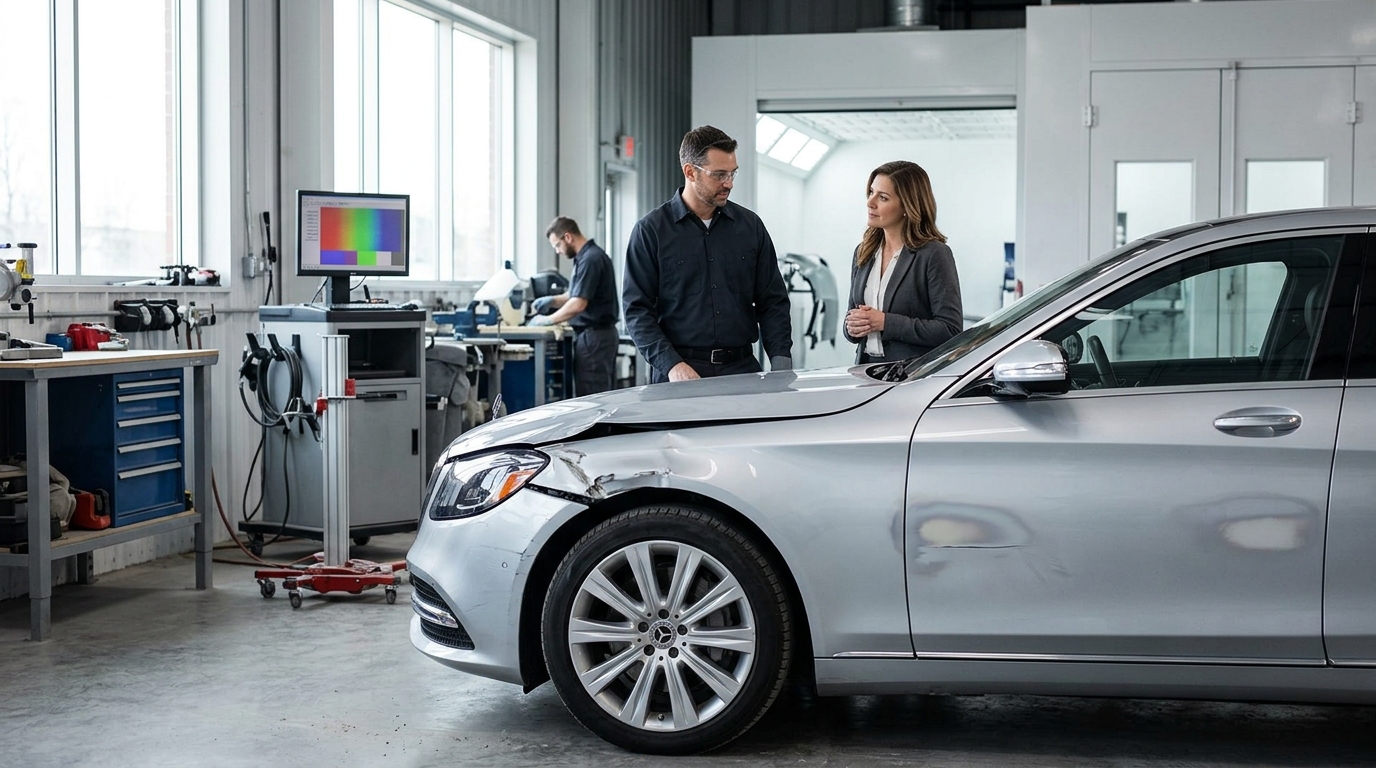
Vehicle damage is rarely a one-size-fits-all problem. Whether you are dealing with a minor scratch from a parking lot incident or significant structural deformation from a high-speed impact, the repair path you choose dictates both the safety of your vehicle and the longevity of its finish. According to the Insurance Institute for Highway Safety, vehicle collisions result in billions of dollars in property damage annually, highlighting the critical need for precise diagnostic categorization before repairs begin. Understanding the distinction between standard auto body repair and specialized collision repair is the first step in protecting your investment. (Contact Us Auto Worx)
Defining the Distinction
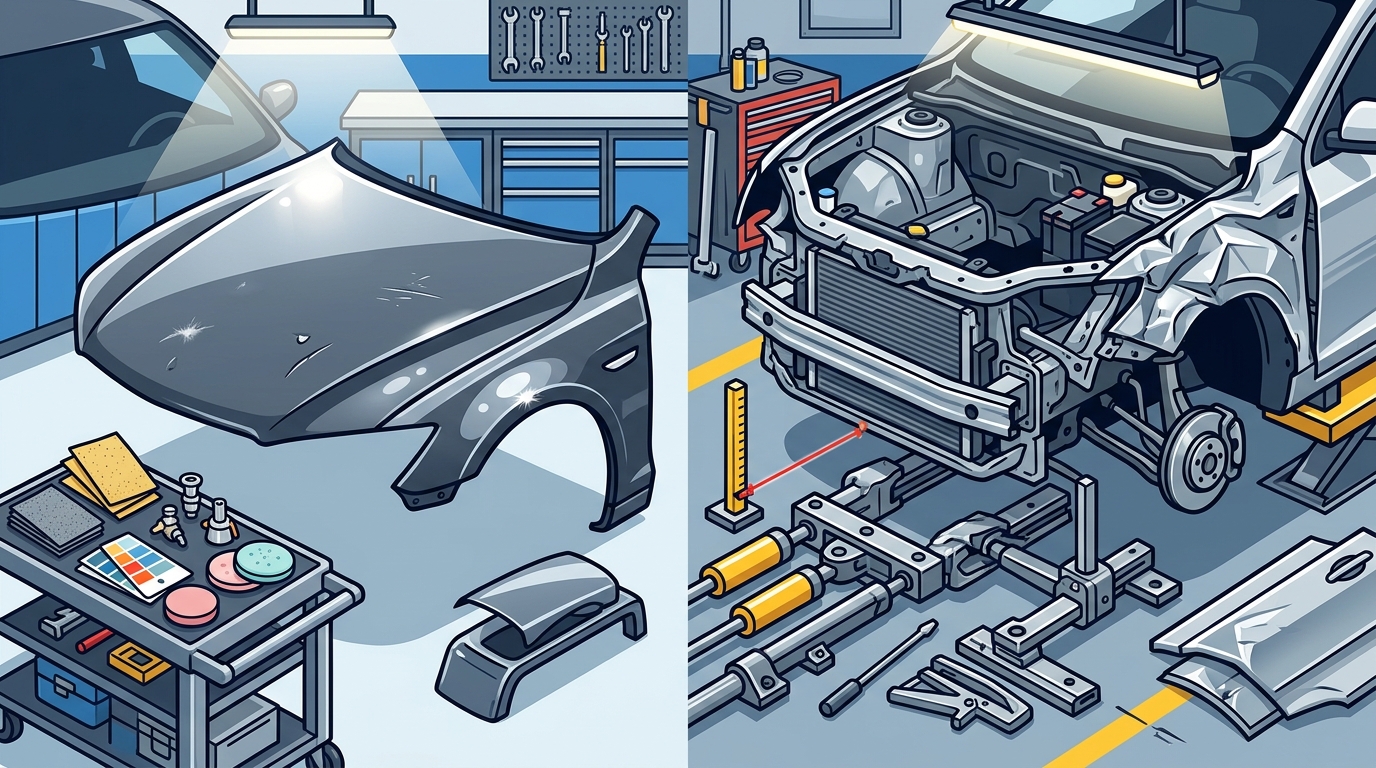
While the terms are often used interchangeably in casual conversation, they represent two different tiers of automotive restoration. Auto body repair generally refers to cosmetic and minor structural fixes that do not compromise the vehicle's frame. Collision repair, on the other hand, involves restoring a vehicle to its pre-accident condition after a significant impact, often requiring frame straightening and advanced diagnostic tools. (Fender Repair amp Replacement)
Auto body repair is the restoration of cosmetic damage and minor structural issues without altering the vehicle's primary frame. This category includes paint correction, dent removal, and panel replacement. It is designed to maintain the aesthetic integrity and minor functional aspects of the car. (Auto Collision Repair in)
Collision repair is the comprehensive process of fixing structural damage, frame alignment, and safety systems following a significant accident. This process requires specialized equipment to ensure the vehicle's crumple zones and safety cages function correctly in future impacts. The difference lies in the depth of the damage and the technical expertise required to resolve it. (Bumper Repair amp Replacement)
Auto Body Repair Scope
Auto body repair services are ideal for vehicles that have sustained damage but remain structurally sound. This category is often referred to as "cosmetic repair" because it focuses on the exterior panels, paint, and glass. The goal is to return the vehicle to its original visual state without the need for heavy machinery or frame alignment. (Major Collision Repair in)
Paintless Dent Repair (PDR)
One of the most efficient forms of auto body repair is Paintless Dent Repair. This technique involves massaging dents out from the inside of the panel, preserving the original factory paint. It is cost-effective and environmentally friendly because it eliminates the need for fillers and paints. This method is perfect for hail damage, door dings, and minor creases.
Minor Panel Replacement
When a panel is too damaged for PDR but the frame is intact, replacement becomes necessary. This involves removing the damaged fender, bumper, or quarter panel and installing a new or refurbished unit. The focus here is on fitment and finish. At Auto Worx, we ensure that every replaced panel matches the vehicle's original contours and paint gloss perfectly.
Scratch and Chip Restoration
Surface scratches that do not penetrate the primer layer can be buffed out. Deeper scratches require sanding, priming, and repainting. Neglecting these minor repairs can lead to rust formation. Rust is the progressive corrosion of metal caused by exposure to moisture and oxygen, which can compromise structural integrity over time. Professional auto body repair stops this process before it spreads.
Collision Repair Complexity
When an accident involves significant force, the damage extends beyond the visible panels. Collision repair addresses the underlying skeleton of the vehicle. This process is critical for restoring the safety features that protect occupants in future crashes.
Frame Straightening and Alignment
Modern vehicles are built with specific frame geometries. A collision can pull the frame out of alignment, affecting how the car drives and handles. Collision repair facilities use hydraulic pull systems and computerized measuring tools to restore the frame to the manufacturer's specifications. Even a slight deviation can cause uneven tire wear and poor handling.
Structural Component Replacement
In severe collisions, structural components such as the unibody rails, pillars, or floor pans may need to be cut and replaced. This is a highly technical process that requires welding expertise and precision. The integrity of these components is vital for the vehicle's crumple zones, which absorb impact energy to protect passengers.
Advanced Diagnostics and Safety Systems
Modern vehicles are filled with sensors for lane departure, automatic braking, and airbag deployment. A collision can misalign or damage these sensors. Collision repair includes recalibrating these systems to ensure they function correctly. Failure to recalibrate can result in safety systems failing when they are needed most.
Service Comparison
Choosing the right service provider depends on the severity of the damage. The table below outlines the key differences between auto body repair and collision repair to help you make an informed decision.
| Feature | Auto Body Repair | Collision Repair |
|---|---|---|
| Primary Focus | Cosmetic appearance and minor dents | Structural integrity and safety systems |
| Damage Type | Scratches, dings, paint chips | Frame damage, major panel deformation |
| Equipment Required | Standard tools, PDR kits, paint booths | Frame machines, hydraulic pullers, scanners |
| Timeframe | 1 to 3 days typically | 1 to 4 weeks depending on severity |
| Insurance Involvement | Often optional or small deductible | Usually required for major claims |
At Auto Worx Collision Center, we are equipped to handle both categories. Our team of certified professionals can diagnose your vehicle accurately and recommend the most effective repair path. We specialize in both minor cosmetic fixes and major collision restoration, ensuring that every vehicle leaves our shop in Los Angeles looking and performing like new.
Key Takeaways
- Damage Severity Dictates Service: Minor cosmetic issues require auto body repair, while structural damage demands collision repair.
- Safety is Paramount: Collision repair ensures that safety systems and frame geometry are restored to manufacturer specifications.
- Rust Prevention: Prompt auto body repair prevents minor scratches from evolving into costly structural corrosion.
- Expertise Matters: Auto Worx has over 63 years of combined experience in handling both repair types.
- Insurance Coordination: Major collisions often require insurance involvement, which our team assists with directly.
- Technology Integration: Modern collision repair includes sensor recalibration for advanced driver assistance systems.
- Local Authority: As a premier Los Angeles provider, we utilize high-quality parts and cutting-edge paint matching technology.
Frequently Asked Questions
Can I fix a dent myself instead of going to a shop?
While DIY kits exist for very minor dings, professional Paintless Dent Repair (PDR) is superior because it preserves the factory paint. Attempting to fix dents yourself can stretch the metal further or damage the paint, leading to rust and higher repair costs later.
What is the difference between a fender bender and a major collision?
A fender bender typically involves minor cosmetic damage to the exterior panels without affecting the frame or safety systems. A major collision involves significant force that can deform the frame, damage structural components, and misalign safety sensors.
Does Auto Worx handle insurance claims?
Yes, we provide complete assistance with insurance claims. Our team helps organize the details of your vehicle from day one, ensuring a smooth and stress-free process from diagnosis to repair completion.
How long does collision repair take compared to body repair?
Auto body repair, such as paintless dent repair or minor panel replacement, usually takes one to three days. Collision repair is more complex and can take anywhere from one to four weeks, depending on the extent of the structural damage and parts availability.
Is frame straightening necessary for all accidents?
No, frame straightening is only necessary if the impact has pulled the vehicle's frame out of alignment. Our technicians use computerized measuring tools to determine if the frame requires correction to ensure safe handling and proper tire wear.
What types of vehicles do you service?
We service all makes and models, from standard sedans to luxury vehicles and trucks. Our state-of-the-art facility is equipped to handle the specific requirements of various automotive brands.
How do you ensure paint color matches perfectly?
We use cutting-edge technology to analyze your vehicle's original paint color and gloss. Our experts then mix custom paint to match these specifications exactly, ensuring a seamless blend with the rest of the vehicle.
Schedule Your Repair
Do not let vehicle damage compromise your safety or your car's value. Whether you need a quick paintless dent removal or a comprehensive collision restoration, Auto Worx Collision Center is your trusted partner in Los Angeles. Our team is ready to provide a fair and honest estimate for your specific needs.
Contact us online or visit our shop at 2323 Cotner Ave. to schedule your appointment today. We look forward to showing you why Auto Worx is the premier destination for professional auto body and collision repairs in the area.