

What is the best auto body shop in West Los Angeles?
Choosing the best auto body shop in West Los Angeles requires evaluating technical expertise, transparency, and local convenience. The ideal provider combines certified technicians with honest communication and efficient turnaround times. This guide covers how to evaluate, verify, and select a collision center that protects your vehicle's safety and value.
How to Choose a Shop
Auto body repair is a specialized trade that requires specific technical skills and equipment. A good shop separates itself from a bad one through consistent quality control and clear communication. You should look for a facility that treats your vehicle with the same respect you would expect for your own home. The environment should be clean, organized, and professional.
Technical Capability
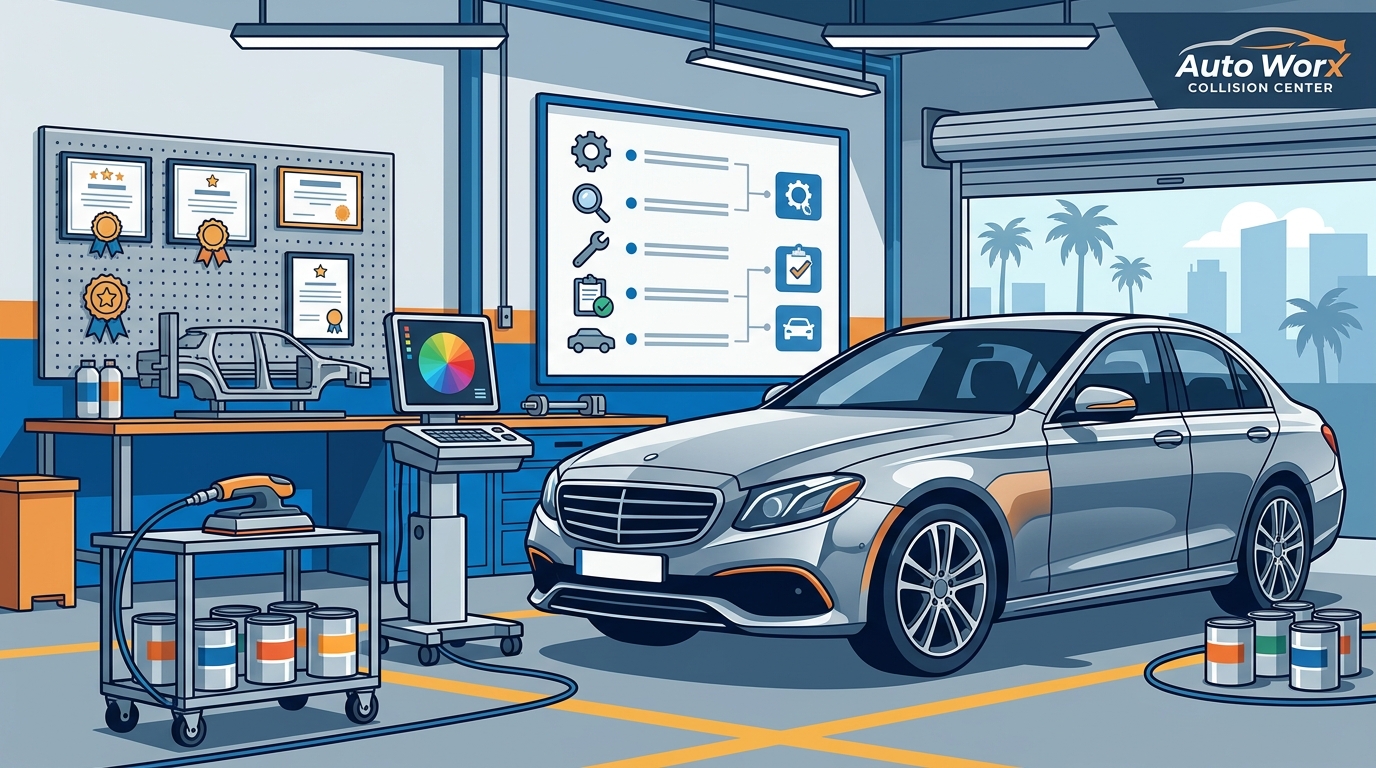
Not all shops can handle every type of damage. A reputable provider will have the tools to perform structural repairs, paintless dent removal, and precise color matching. They should be able to explain their process for restoring your car to its pre-accident condition. This includes checking for hidden damage that might not be visible to the naked eye.
Communication Style
Transparency is a major indicator of a trustworthy shop. The best providers keep you informed at every stage of the repair. They should explain what is being done, why it is necessary, and how long it will take. If a shop is vague or evasive about their methods, it is a red flag. You want a partner who answers your questions honestly.
What to Ask Before Committing
Asking the right questions helps you gauge the professionalism of the team. Do not be afraid to ask for details about their experience and processes. These questions will help you determine if the shop is the right fit for your specific needs.
Experience and Training
Ask how long the technicians have been in the industry. Experience matters because it allows them to handle complex repairs more efficiently. You can also ask about their training in modern vehicle technologies. Many new cars have sensors and cameras that require specific calibration after a collision.
Insurance and Claims
Ask if they work with your specific insurance company. While they should not guarantee coverage, they should be familiar with the claims process. Ask how they handle the estimate and if they will communicate directly with your adjuster. This can save you a significant amount of time and stress. according to Body Art Los
How to Verify Credentials
Verifying a shop's claims is a crucial step in the selection process. Do not take marketing materials at face value. You can check for industry certifications and read recent reviews from other customers. This helps you confirm that the shop delivers on its promises.
Industry Certifications
Look for certifications from recognized automotive organizations. These certifications indicate that the shop meets specific standards for quality and safety. You can often verify these credentials through the issuing organization's website. This is a reliable way to ensure the shop is legitimate.
Customer Reviews
Read reviews on independent platforms to get an unbiased view of the shop's performance. Look for patterns in the feedback. Are customers consistently praising the quality of the work? Do they mention good communication? Negative reviews about hidden fees or poor communication are warning signs.
The Repair Process
Understanding the repair process helps you know what to expect. The process typically follows a logical sequence from inspection to final quality check. Knowing the steps helps you track the progress of your vehicle.
Inspection and Estimate
The first step is a thorough inspection of the vehicle. The technician will identify all visible and hidden damage. They will then provide a detailed estimate that outlines the work needed. This estimate should be clear and easy to understand.
Repair and Quality Control
Once you approve the estimate, the repair begins. The shop will perform the necessary body work, paint, and glass repairs. Before returning the vehicle, they will perform a final quality check. This ensures that the repair meets their standards and that your car is safe to drive. according to Body Art Los
Understanding Repair Costs
Repair costs vary based on several factors. The type of damage, the make and model of the vehicle, and the parts used all influence the final price. Understanding these factors helps you budget for the repair.
Parts and Labor
The cost of parts can vary significantly. OEM parts are made by the vehicle manufacturer and are often more expensive than aftermarket parts. Labor costs depend on the complexity of the repair. A simple dent repair is much cheaper than a full bumper replacement.
Hidden Costs
Be aware of potential hidden costs. Some shops may add fees for paint matching or calibration of sensors. Ask for a detailed breakdown of the estimate to avoid surprises. A transparent shop will explain all costs upfront.
Common Mistakes to Avoid
Many drivers make mistakes that can lead to poor repair outcomes. Avoiding these common errors can save you time and money. Being informed is your best defense against subpar work.
Choosing the Cheapest Option
Do not always choose the shop with the lowest price. A low price may indicate the use of inferior parts or less experienced technicians. This can lead to repairs that do not last or that compromise your vehicle's safety. Quality is more important than a low initial cost.
Ignoring Hidden Damage
Do not ignore damage that is not immediately visible. Hidden structural damage can affect your car's safety in future accidents. A thorough inspection is essential to catch these issues early. Ignoring them can lead to more expensive repairs later.
Shop vs. Alternatives
There are several options for auto body repair, each with its own pros and cons. Understanding the differences helps you make an informed decision.
| Option | Pros | Cons |
|---|---|---|
| Independent Shop | Often lower cost, flexible scheduling | Variable quality, may lack specific certifications |
| Dealership | OEM parts, manufacturer expertise | Higher cost, longer wait times |
| DIY | Lowest cost | High risk of poor results, voids warranty |
Specific Repair Scenarios
Different types of damage require different approaches. Understanding the specific needs of your repair helps you choose the right provider.
Minor Dents and Scratches
For minor cosmetic damage, you may not need a full collision center. However, a professional shop can still provide high-quality results. They can use paintless dent repair to fix small dents without repainting. This is a faster and cheaper option for minor issues.
Major Collisions
Major collisions require a shop with extensive experience and equipment. You need a provider that can handle structural repairs and complex paint work. Look for a shop that specializes in major collision repair. They will have the tools and expertise to restore your vehicle safely.
Consumer Protections
Consumers have certain rights when it comes to auto repairs. Understanding these protections helps you ensure fair treatment. You have the right to a detailed estimate and to approve all work before it begins.
Right to Information
You are entitled to a clear and detailed estimate. The shop should explain what is included in the price. You also have the right to ask for old parts that are replaced. This allows you to verify that the work was done as described.
Warranty
West Los Angeles Specifics
West Los Angeles has unique characteristics that affect auto repair. The area is known for its diverse vehicle population and specific traffic patterns. These factors can influence the type of damage you might experience.
Vehicle Types
The area has a high concentration of luxury and high-end vehicles. This means that shops in the area often have experience with these specific makes and models. They will be familiar with the unique requirements of these cars. This expertise is valuable if you drive a luxury vehicle.
Convenience
Convenience is a major factor for drivers in West Los Angeles. Many shops offer services like shuttle rides and rental cars. These services help you get around while your car is being repaired. Look for a shop that offers these convenient options.
Timing Your Repairs
Timing can affect the outcome of your repair. Acting quickly can prevent further damage and reduce costs. Delaying repairs can lead to more expensive fixes later.
Immediate Action
Address safety issues immediately. If your car is not safe to drive, do not wait. Get it inspected as soon as possible. This ensures that you are not putting yourself or others at risk. It also helps you start the repair process sooner.
Seasonal Factors
Consider the season when scheduling your repair. Some shops may be busier during certain times of the year. This can affect wait times. Scheduling during off-peak times may help you get your car back faster.
Long-Term Results
Quality repairs provide long-term benefits. A well-executed repair protects your vehicle's value and safety. It also ensures that your car performs as it should for years to come.
Resale Value
Professional repairs help maintain your car's resale value. A car with a history of poor repairs is worth less. By choosing a high-quality shop, you protect your investment. This is especially important if you plan to sell or trade in your car in the future.
Safety
Proper repairs ensure that your car is safe to drive. Structural repairs are critical for protecting you in future accidents. A shop that prioritizes safety will ensure that your car meets all safety standards. This gives you peace of mind on the road.
Key Takeaways
- Choose a shop with proven technical expertise and clear communication.
- Ask specific questions about experience, insurance, and processes.
- Verify credentials and read independent reviews before committing.
- Understand the repair process and what to expect at each stage.
- Be aware of cost factors and potential hidden fees.
- Avoid common mistakes like choosing the cheapest option or ignoring hidden damage.
- Consider the specific needs of your vehicle and the local area.
- Act quickly to prevent further damage and protect your investment.
Frequently Asked Questions
How do I know if a shop is certified?
You can verify certifications by checking the issuing organization's website. Look for recognized industry certifications that indicate the shop meets specific standards for quality and safety.
Do I need to use a specific shop for my insurance claim?
Most insurance policies allow you to choose your own repair shop. However, some policies may have preferred shop networks. Check your policy to understand your options.
How long does a typical repair take?
The time required depends on the extent of the damage. Minor repairs may take a few days, while major collisions can take several weeks. The shop should provide an estimated timeline during the inspection.
What is the difference between OEM and aftermarket parts?
OEM parts are made by the vehicle manufacturer and are designed specifically for your car. Aftermarket parts are made by third-party companies. OEM parts are often more expensive but may offer a better fit and finish.
Can I get a rental car while my vehicle is being repaired?
Many shops offer rental car options or work with rental companies to provide you with a temporary vehicle. Ask the shop about their rental car policies and any associated costs.
How can I ensure the paint matches my car's original color?
A professional shop will use color matching technology to blend the new paint with the existing color. This ensures a seamless finish that is difficult to distinguish from the original paint.