
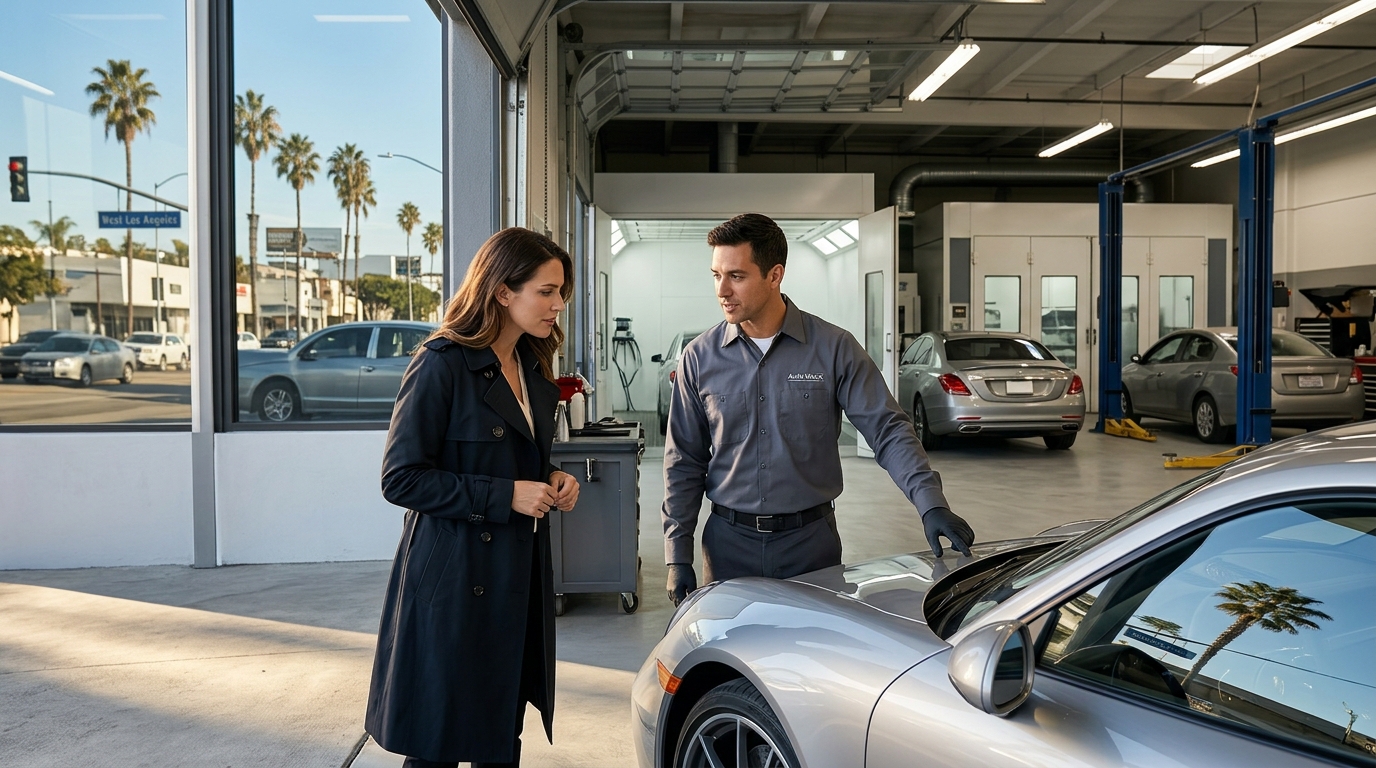
Choosing the right auto body shop in West Los Angeles depends on verifying technical skill, insurance compatibility, and transparent pricing rather than relying on marketing claims alone. This guide explains how to evaluate local repair facilities, verify their credentials, and understand the repair process. It covers the specific questions to ask, the costs involved, and the protections available to consumers in California. We focus on practical steps to ensure your vehicle is restored safely and correctly.
How to Choose a Reliable Shop
Reputation is built on consistent quality and honest communication. A reliable shop prioritizes structural integrity over cosmetic speed. You should look for facilities that use modern diagnostic equipment and trained technicians. Auto Worx Collision Center in West Los Angeles focuses on providing a stress-free experience by using parts from reputable brands. They emphasize that your vehicle should look as fresh and new as possible after repairs. This commitment to quality parts and honest estimates is a key differentiator in a crowded market.
Technical Capability
Check if the shop handles the specific type of damage you have. Some shops specialize in minor scratches, while others handle major structural reconstruction. Ensure they have the tools to repair your specific vehicle make and model. A shop that claims to fix everything often lacks the depth of expertise needed for complex issues.
Communication Style
Observe how the staff communicates during your initial consultation. Do they explain the damage clearly? Do they provide a written estimate? Poor communication is a leading cause of dissatisfaction in auto body work. You want a partner who keeps you informed at every step.
Questions to Ask Before Committing
Asking the right questions reveals a shop's true capabilities. Do not be afraid to ask for details. The answers will tell you more than any advertisement. Here are the specific questions you should ask any potential repair facility.
- Who will perform the work? Ask if the technicians are certified and how long they have been with the company.
- What parts will be used? Clarify if they use OEM (Original Equipment Manufacturer) or aftermarket parts. This affects longevity and fit.
- How do you handle insurance? Ask if they work directly with your insurer and if they assist with the claim process.
- What is the warranty? Ask for the specific terms of the warranty on both parts and labor.
- What is the estimated timeline? Get a realistic range, not just a single date.
Verifying Credentials and Claims
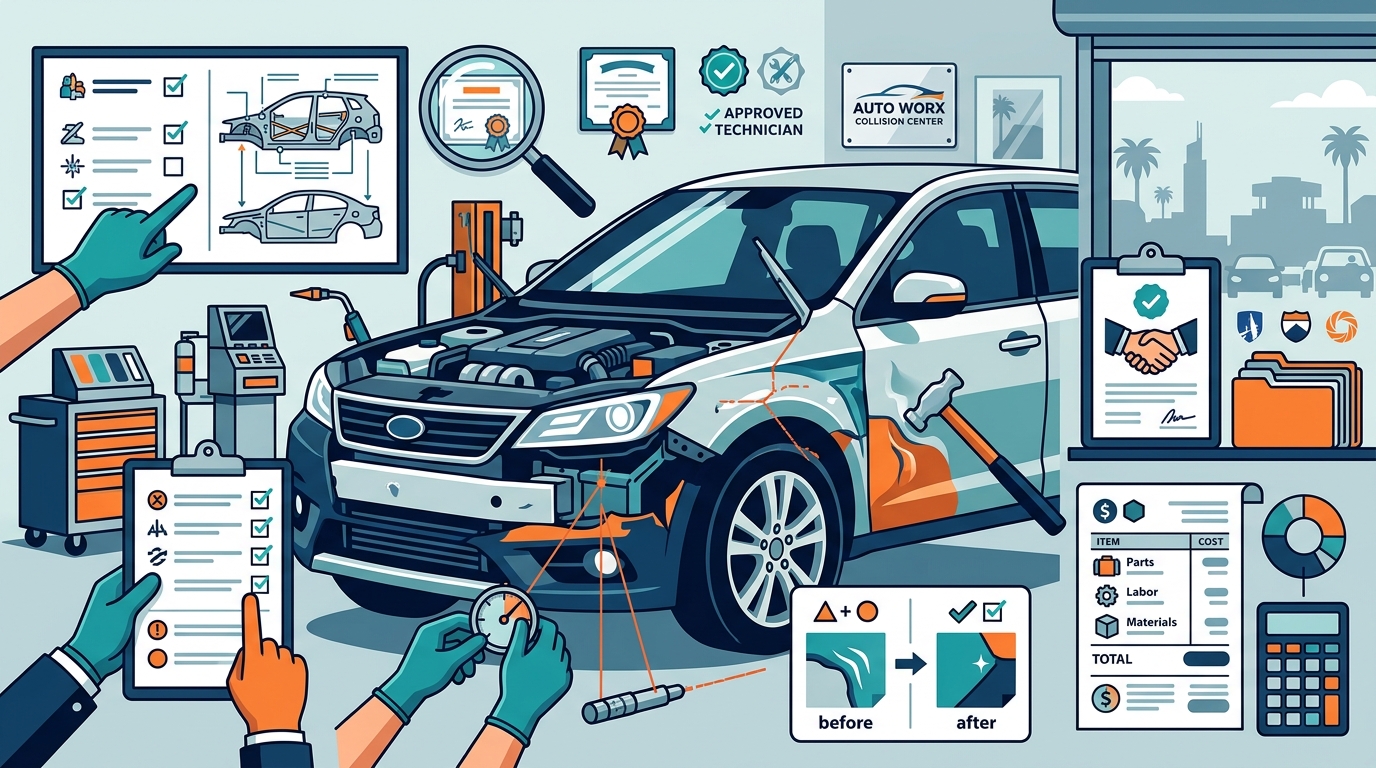
Marketing claims are easy to make, but verification is difficult. You must check the facts yourself. Do not take a shop's word for their certifications or awards. Verify their standing with local business bureaus and check for any history of complaints. This step protects you from working with a facility that may have hidden issues.
Check Online Reviews
Read reviews from multiple platforms. Look for patterns in the feedback. Are customers consistently praising the communication? Are there recurring complaints about delays? One bad review is normal, but a pattern of negative feedback is a red flag. Focus on recent reviews to gauge current performance.
Visit the Facility
Walk into the shop. A clean, organized workspace often reflects a professional operation. Look at the vehicles in the bay. Are they covered and protected? Is the paint booth clean? These visual cues provide insight into the shop's daily standards of care.
The Repair Process and Timeline
Understanding the workflow helps you manage expectations. The process typically follows a logical sequence. First, the shop inspects the vehicle to identify all damage. Next, they provide a detailed estimate. After approval, they source parts and begin the repair. Finally, they perform quality control checks before returning the car. This process ensures that no damage is missed.
Inspection and Estimation
The initial inspection is critical. Technicians look for hidden structural damage that is not visible to the naked eye. The estimate should break down labor and parts separately. This transparency allows you to compare quotes accurately. A vague estimate is a warning sign.
Repair and Quality Control
Once repairs begin, the shop should keep you updated. They will sand, prime, and paint the damaged areas. Quality control involves checking the paint match and panel gaps. This final step ensures the repair is seamless. You should receive the car only after it passes these checks.
Understanding Repair Costs
Costs vary widely based on the extent of damage and the parts used. Labor rates are a major component of the total price. Parts costs depend on whether you choose OEM or aftermarket options. You should expect to pay more for OEM parts due to their higher quality and fit. Labor costs are determined by the complexity of the work and the time required.
| Cost Factor | Impact on Price | Notes |
|---|---|---|
| Labor Complexity | Medium to High | Structural repairs take longer than cosmetic fixes. |
| Paint Matching | Medium | Complex colors require more time and skill to match. |
| Urgency | Low to Medium | Rush jobs may incur additional fees. |
Common Mistakes to Avoid
Many customers make errors that lead to poor outcomes. The most common mistake is choosing the cheapest option without considering quality. Low prices often reflect lower quality parts or rushed labor. Another mistake is failing to get a written estimate. Verbal agreements are hard to enforce. Always document the scope of work in writing.
Ignoring Hidden Damage
Customers often focus on the visible dent or scratch. They may not realize that the frame or internal components are also damaged. This leads to incomplete repairs. A reputable shop will identify and disclose all damage, even if it increases the cost. This honesty is a sign of integrity.
Skipping the Warranty Check
Some customers do not ask about the warranty. If the repair fails later, you may have no recourse. Always ask for the warranty terms in writing. Know what is covered and for how long. This protects your investment in the repair.
Shop vs. Dealer vs. DIY
Dealership Pros and Cons
Dealerships use only OEM parts. They have factory training. However, they are often more expensive and have longer wait times. They may not be as flexible with scheduling. This makes them less ideal for minor repairs.
Independent Shop Pros and Cons
Independent shops often offer better value. They can use high-quality aftermarket parts if you prefer. They are usually more flexible with appointments. They focus on customer service and communication. This makes them a good choice for most collision repairs.
Handling Specific Damage Scenarios
Different types of damage require different approaches. Minor scratches may only need polishing. Deeper scratches require sanding and repainting. Dents may be fixed with paintless dent repair if the paint is intact. Structural damage requires frame straightening. Understanding the specific type of damage helps you choose the right shop. A shop that specializes in your specific issue will likely deliver better results.
Paintless Dent Repair
Paintless dent repair is a non-invasive technique. It works best for small dents where the paint is not cracked. It is faster and cheaper than traditional repair. It preserves the original paint. This is an ideal option for minor cosmetic damage.
Structural Repair
Structural repair is critical for safety. It involves straightening the frame and replacing damaged components. This is a complex process that requires specialized equipment. Only experienced shops should perform this work. Do not compromise on safety for cost savings.
Consumer Rights and Protections
California law provides specific protections for auto repair customers. You have the right to a written estimate before work begins. You have the right to approve or reject the estimate. You have the right to receive your old parts if you request them. These rights are designed to ensure transparency. Knowing these laws helps you advocate for yourself. If a shop violates these rights, you can file a complaint with the state.
Right to a Written Estimate
Right to Old Parts
You can request that the shop return your old parts. This allows you to verify that the parts were actually replaced. It also gives you a record of the work done. Some shops may charge a fee for this service. Ask about this policy upfront.
West Los Angeles Specifics
Climate Considerations
The dry climate in Los Angeles is ideal for painting. It allows for faster curing times. However, it also means that dust can be an issue. Shops must have clean paint booths to prevent dust from settling on the wet paint. This is a critical factor in achieving a flawless finish. Look for shops with enclosed, filtered paint booths.
Vehicle Types
West Los Angeles has a high concentration of luxury and performance vehicles. These cars often have complex body panels and specialized paint. Shops in the area are more likely to have the experience to handle these vehicles. If you drive a luxury car, choose a shop that has a track record with similar vehicles.
Timing Your Repairs
Timing can affect the cost and quality of your repair. Scheduling during off-peak times may result in faster service. However, urgent repairs may require rush fees. Weather can also affect the timeline. Rain or high humidity can delay painting. Plan your repairs with these factors in mind. If you need the car for work, discuss the timeline with the shop upfront. They can help you plan around your schedule.
Seasonal Impact
Summer is often a busy time for auto body shops. This is because more people are driving and more accidents occur. This can lead to longer wait times. Winter is generally slower, but the cooler temperatures can affect paint curing. Spring and fall are often the best times to schedule repairs. The weather is mild, and the shops are less busy.
Urgency vs. Cost
Rushing a repair can lead to higher costs and lower quality. If you are in a hurry, ask about rush fees. Understand what is included in the rush service. Sometimes, it is better to wait a few days to ensure the repair is done correctly. Weigh the cost of the rush against the cost of a potential rework.
Long-Term Vehicle Outcomes
The quality of the repair affects the long-term value of your vehicle. A well-done repair preserves the resale value. A poorly done repair can lower the value and cause future issues. Rust is a major concern in coastal areas like Los Angeles. If the repair does not properly seal the metal, rust can develop. This can lead to expensive structural damage later. A reputable shop will use high-quality sealants and primers to prevent rust. This protects your investment for years to come.
Resale Value
Buyers are often wary of cars with a history of major repairs. A well-documented repair by a reputable shop can mitigate this concern. Keep all your repair records. They serve as proof that the car was fixed correctly. This can help you sell the car for a higher price later. A clean repair history is a selling point.
Structural Integrity
Structural repairs must be done to factory specifications. If the frame is not straightened correctly, the car may not handle properly. This can lead to uneven tire wear and handling issues. It can also be a safety hazard. A reputable shop will use laser measurement systems to ensure the frame is aligned correctly. This ensures the car drives as it should.
Key Takeaways
- Verify shop credentials and check online reviews for patterns in feedback.
- Always ask for a written estimate that breaks down parts and labor.
- Clarify if the shop uses OEM or aftermarket parts before starting work.
- Understand your rights under California law, including the right to old parts.
- Choose a shop with experience in your specific vehicle type and damage.
- Consider the long-term impact of the repair on your vehicle's value.
- Communicate your timeline and budget clearly with the shop.
- Keep all repair records for future resale or insurance purposes.
Frequently Asked Questions
How do I know if a shop is reputable?
Check their online reviews, verify their certifications, and visit the facility. Look for a clean, organized workspace and professional communication. A reputable shop will be transparent about their processes and pricing.
What is the difference between OEM and aftermarket parts?
How long does a typical repair take?
Minor repairs may take a few days. Major structural repairs can take several weeks. The timeline depends on the extent of the damage and the availability of parts. Ask the shop for a realistic estimate during your consultation.
Do I need to pay a deductible if I use insurance?
Yes, you are responsible for your deductible. The insurance company pays the rest of the bill, up to the policy limits. Make sure you understand your deductible amount before filing a claim.
Can I choose my own shop if I use insurance?
What should I do if I am unhappy with the repair?
Contact the shop immediately and explain the issue. Most reputable shops will fix any defects under their warranty. If they refuse, you can file a complaint with the California Department of Consumer Affairs. Keep all your documentation and photos.
Is paintless dent repair a good option?
Paintless dent repair is a great option for small dents where the paint is intact. It is faster and cheaper than traditional repair. It preserves the original paint. However, it is not suitable for deep dents or cracks in the paint.