
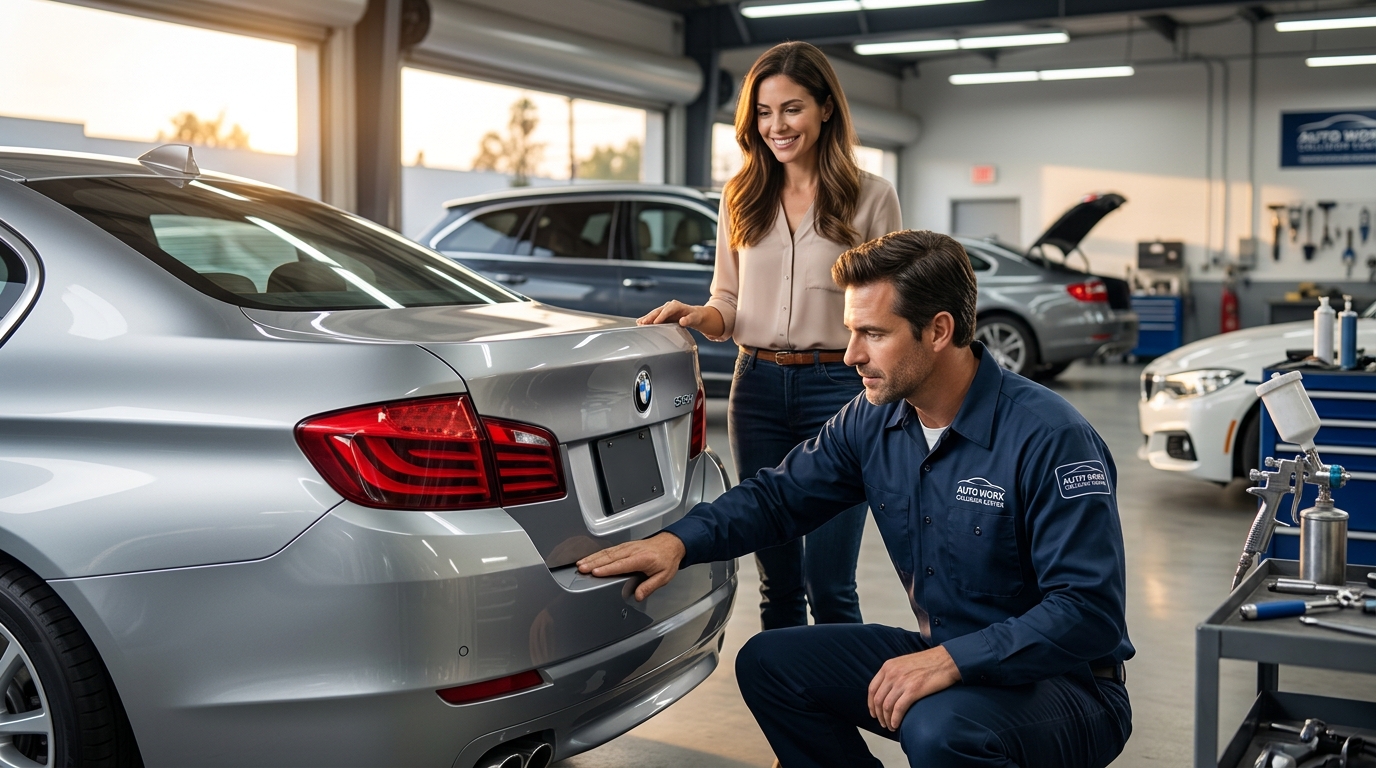
Where to Get Bumper Repair or Replacement in Los Angeles
Los Angeles drivers can find reliable bumper repair and replacement at specialized collision centers like Auto Worx Collision Center in West Los Angeles. This guide covers how to choose a shop, verify credentials, understand costs, and navigate the repair process. It provides a comprehensive roadmap for making informed decisions about your vehicle's safety and appearance.
How to Choose a Bumper Repair Shop
Experience and Specialization
Experience matters when dealing with complex bumper assemblies. Modern vehicles contain sensors, cameras, and airbag components integrated into the bumper. A shop with extensive experience in collision repair understands how these systems interact. Auto Worx Collision Center has over 63 years of experience in the industry, providing a deep understanding of vehicle dynamics and repair techniques.
Equipment and Technology
State-of-the-art equipment is essential for accurate repairs. Look for shops that use computerized alignment systems and advanced paint matching technology. These tools ensure that the bumper fits correctly and that the color blend is seamless. Without proper technology, repairs may look uneven or fail to function correctly in a future collision.
What to Ask Before Committing
Asking the right questions helps you gauge the professionalism and transparency of a repair shop. Do not hesitate to ask for details about the process, parts, and warranties. Clear communication is a hallmark of a trustworthy provider.
Parts and Sourcing
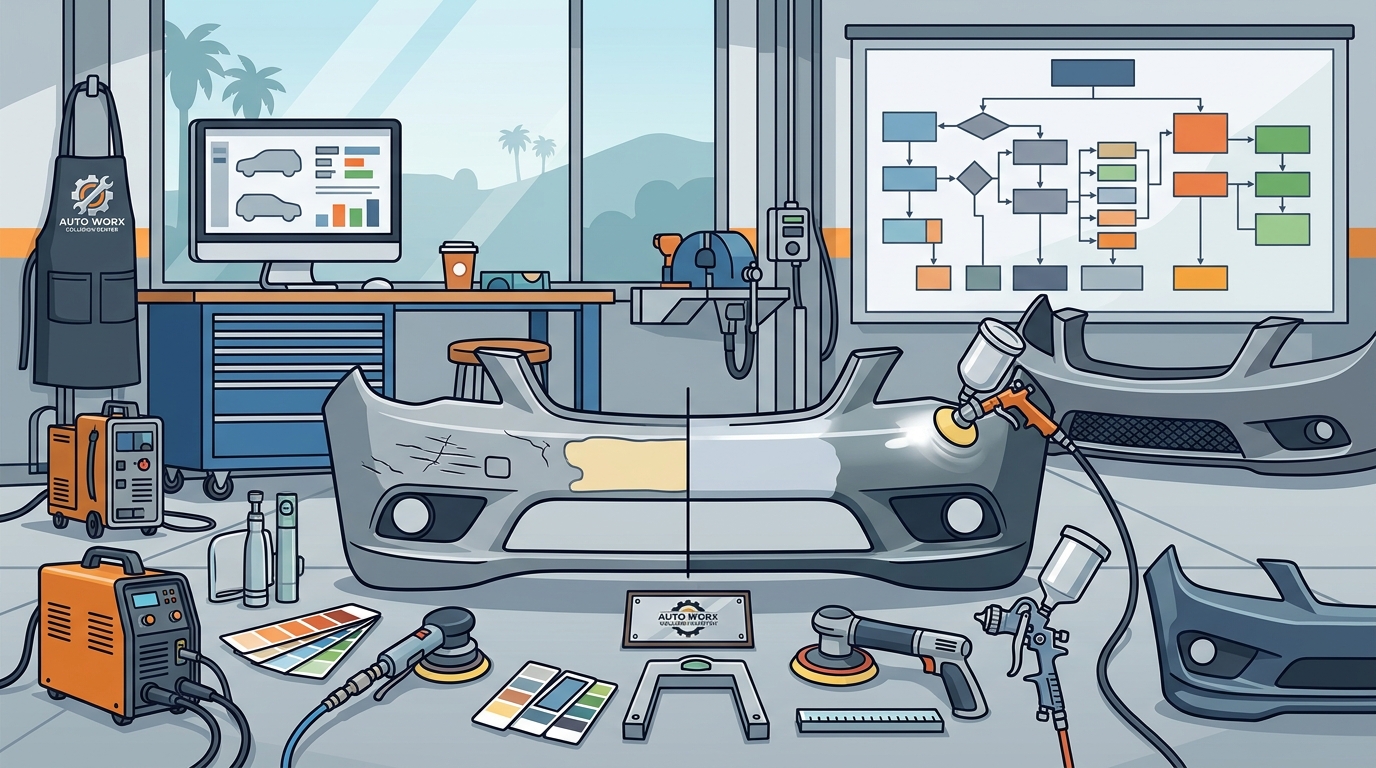
Ask whether the shop uses Original Equipment Manufacturer (OEM) parts or aftermarket alternatives. OEM parts are made by the vehicle manufacturer and fit perfectly. Aftermarket parts may be cheaper but can vary in quality. Understanding the source of the parts helps you make an informed decision about the longevity of the repair.
Warranty and Guarantees
Inquire about the warranty offered on the labor and parts. A solid warranty protects you if issues arise after the repair. Ask specifically what is covered and for how long. This ensures that you are protected against defects in workmanship or materials.
How to Verify Credentials and Claims
Verifying a shop's credentials ensures that you are working with qualified professionals. Check for industry certifications and read recent customer reviews. These steps help confirm that the shop maintains high standards of quality and safety.
Certifications and Training
Look for technicians who hold certifications from recognized automotive bodies. These certifications indicate that the technicians have undergone rigorous training and testing. You can often verify these credentials through industry association websites or by asking the shop for proof of certification.
Customer Feedback
Read reviews from recent customers to get a sense of the shop's reputation. Pay attention to comments about communication, quality of work, and adherence to deadlines. Consistent positive feedback is a strong indicator of a reliable service provider.
How the Repair Process Works
Understanding the repair process helps you know what to expect and how long it will take. The process typically involves inspection, disassembly, repair or replacement, and reassembly. Each step is crucial for ensuring a safe and durable outcome.
Inspection and Assessment
The first step is a thorough inspection of the vehicle. Technicians assess the extent of the damage, including hidden issues behind the bumper cover. They check for damage to the frame, sensors, and lighting fixtures. This assessment determines whether repair or replacement is the best option.
Repair or Replacement
Based on the assessment, the shop will either repair the existing bumper or replace it with a new one. Repair involves fixing dents, cracks, or scratches. Replacement involves removing the damaged bumper and installing a new one. Both options require careful attention to detail to ensure a proper fit and finish.
What Bumper Repair Costs
The cost of bumper repair or replacement varies based on several factors. Understanding these factors helps you budget for the repair and avoid unexpected charges. Prices can range from a few hundred dollars for minor repairs to several thousand for major replacements.
Factors Influencing Cost
The type of damage, the make and model of the vehicle, and the type of parts used all influence the cost. Luxury vehicles often have more complex bumper systems, which can increase the price. The labor rate of the shop also plays a role in the final bill.
Insurance and Out-of-Pocket Expenses
If the damage is covered by insurance, your out-of-pocket cost will be your deductible. If you pay out of pocket, you will be responsible for the full cost of the repair. It is important to get a detailed estimate before authorizing the work to understand your financial obligations.
Common Mistakes to Avoid
Avoiding common mistakes can save you time, money, and frustration. One of the biggest errors is choosing a shop based solely on price. Cheap repairs often use inferior parts or lack proper quality control, leading to further damage down the line.
Ignoring Hidden Damage
Another mistake is assuming that only the visible damage needs repair. Hidden damage to the frame or sensors can compromise the vehicle's safety. A thorough inspection is essential to identify and address all issues.
Skipping the Warranty
Do not skip asking about the warranty. A lack of warranty can leave you unprotected if the repair fails. Always ensure that you have a written guarantee for the work performed.
Bumper Repair vs. Replacement
Deciding between repair and replacement depends on the severity of the damage. Repair is often more cost-effective for minor damage, while replacement is necessary for severe damage. The table below summarizes the key differences.
| Factor | Repair | Replacement |
|---|---|---|
| Cost | Lower | Higher |
| Time | Shorter | Longer |
| Best For | Minor dents, scratches | Cracks, severe deformation |
| Longevity | Good if done correctly | Excellent |
Consider the long-term implications of each option. A well-executed repair can last for years, but a replacement ensures that you have a brand-new component. Discuss the pros and cons with your technician to make the best choice for your vehicle.
Handling Specific Damage Scenarios
Different types of damage require different approaches. Understanding the specific scenario helps you communicate effectively with your repair shop. Here are some common scenarios and how they are typically handled.
Parking Lot Incidents
Damage from parking lot incidents often involves minor dents or scratches. These are usually candidates for repair. The goal is to restore the bumper's appearance without compromising its structural integrity.
High-Speed Collisions
High-speed collisions can cause severe damage to the bumper and the underlying structure. In these cases, replacement is often necessary. The shop will also need to inspect and repair the frame to ensure the vehicle is safe to drive.
Consumer Protections and Rules
Consumers have certain rights and protections when it comes to auto repairs. Understanding these rights helps you ensure that you are treated fairly. California law, for example, requires shops to provide a detailed estimate before beginning work.
Right to Original Parts
In many cases, you have the right to request that your original parts be returned to you after replacement. This is particularly important if you plan to sell the vehicle in the future. Ask the shop about their policy on returning original parts.
Right to a Detailed Estimate
Local Specifics for Los Angeles
Los Angeles has unique factors that can affect bumper repair. Traffic congestion can make it difficult to get to and from the shop, so consider the location when choosing a provider. Additionally, the climate in Los Angeles can affect the durability of certain materials.
Climate Considerations
The dry, sunny climate in Los Angeles can cause paint to fade over time. A shop with experience in local conditions will use paints and coatings that are resistant to UV damage. This ensures that your repair looks good for years to come.
Convenience and Location
Choosing a shop that is conveniently located can save you time and hassle. Auto Worx Collision Center is located in West Los Angeles, making it accessible to residents in that area. Consider the shop's hours and location when planning your visit.
Timing Your Repair
Timing is important when it comes to bumper repair. Delaying a repair can lead to further damage and higher costs. For example, a small crack can grow larger over time, making it more difficult and expensive to fix.
Immediate vs. Delayed Repair
If the damage is minor, you may have some flexibility in timing. However, if the damage affects the vehicle's safety, it is best to address it immediately. A damaged bumper can compromise the vehicle's ability to absorb impact in a future collision.
Seasonal Factors
Consider seasonal factors when scheduling your repair. In Los Angeles, the weather is generally mild year-round, but extreme heat can affect the curing process for some paints. Scheduling your repair during cooler months may result in a faster turnaround time.
Long-Term Results and Maintenance
A well-executed bumper repair should last for many years. Regular maintenance can help extend the life of your bumper and keep it looking its best. This includes regular washing and waxing to protect the paint.
Monitoring for New Damage
After your repair, monitor your bumper for any new damage. Early detection of issues can prevent them from becoming more serious. If you notice any new dents or scratches, address them promptly to maintain the bumper's integrity.
Resale Value
A well-maintained bumper can positively impact your vehicle's resale value. Buyers are more likely to pay a premium for a vehicle that has been properly repaired and maintained. Keeping your bumper in good condition is an investment in your vehicle's future value.
Key Takeaways
- Choose a shop with experience and state-of-the-art equipment.
- Ask about parts, warranties, and the repair process.
- Verify credentials and read recent customer reviews.
- Understand the cost factors and get a detailed estimate.
- Avoid common mistakes like ignoring hidden damage.
- Decide between repair and replacement based on severity.
- Know your consumer rights and protections.
- Consider local factors like climate and convenience.
Frequently Asked Questions
How long does bumper repair take?
The time required for bumper repair depends on the extent of the damage. Minor repairs may take a few days, while major replacements can take several weeks. Your shop will provide a more accurate estimate after inspecting your vehicle.
Can I drive my car while it is being repaired?
It is generally not recommended to drive your car while it is being repaired. The vehicle may be unsafe to drive, and the shop may need access to it for the repair process. Ask your shop about their policy on loaner vehicles or transportation options.
Will my insurance cover the repair?
Insurance coverage depends on your policy and the circumstances of the damage. If the damage is covered, your out-of-pocket cost will be your deductible. Contact your insurance company to confirm coverage before authorizing the repair.
What is the difference between OEM and aftermarket parts?
OEM parts are made by the vehicle manufacturer and fit perfectly. Aftermarket parts are made by third-party manufacturers and may vary in quality. OEM parts are generally more expensive but offer better fit and finish.
How can I tell if my bumper needs replacement?
If the bumper is cracked, severely dented, or deformed, it may need replacement. A professional inspection can determine whether repair or replacement is the best option. Do not attempt to assess the damage yourself if you are unsure.
Does bumper repair affect my car's value?
A well-executed repair should not negatively affect your car's value. In fact, a properly repaired bumper can help maintain your vehicle's resale value. Keep records of the repair to show potential buyers that the work was done professionally.