
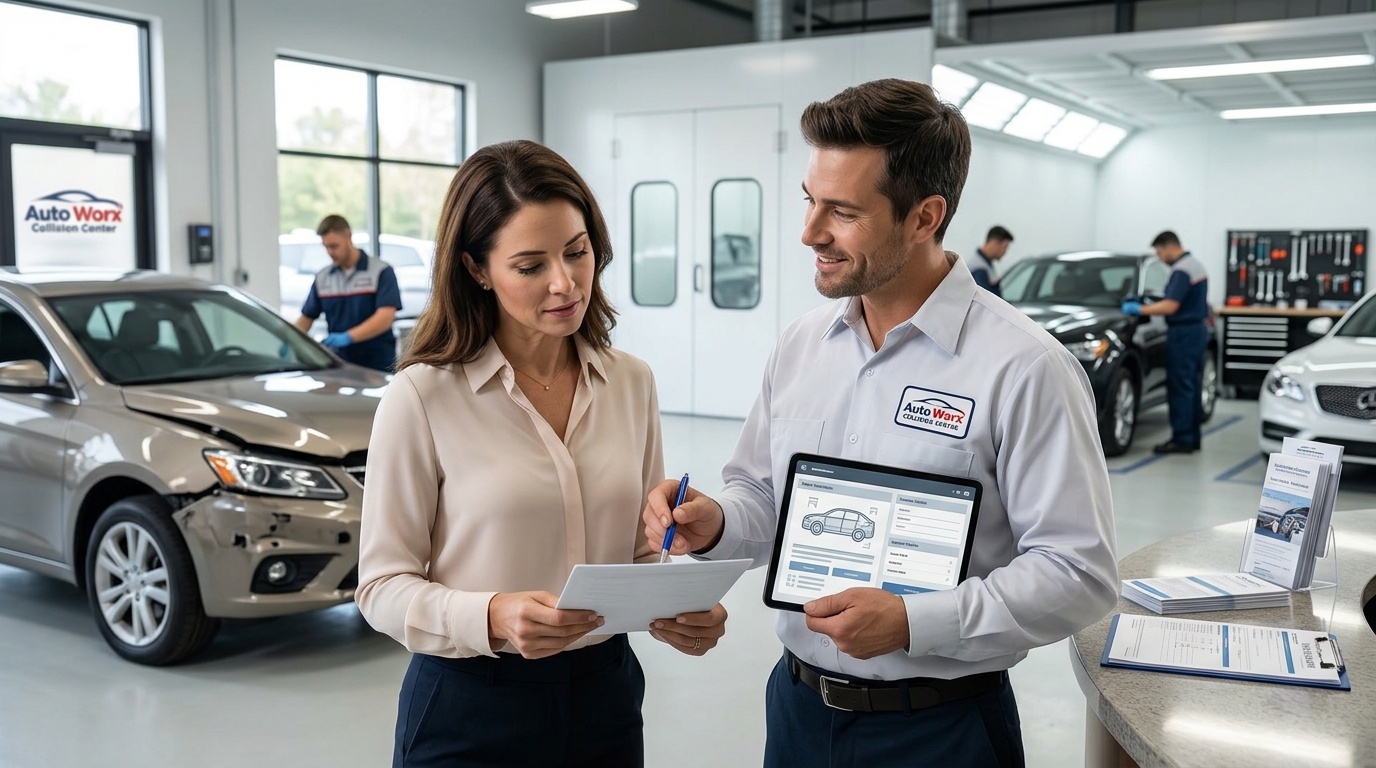
Collision repair shops handle insurance claims by guiding the vehicle through inspection, estimation, and repair phases while coordinating directly with the insurer. Auto Worx Collision Center in West Los Angeles simplifies this workflow by managing the paperwork and communication, ensuring the customer receives a fair and accurate assessment of their vehicle's condition.
The Initial Assessment and Intake
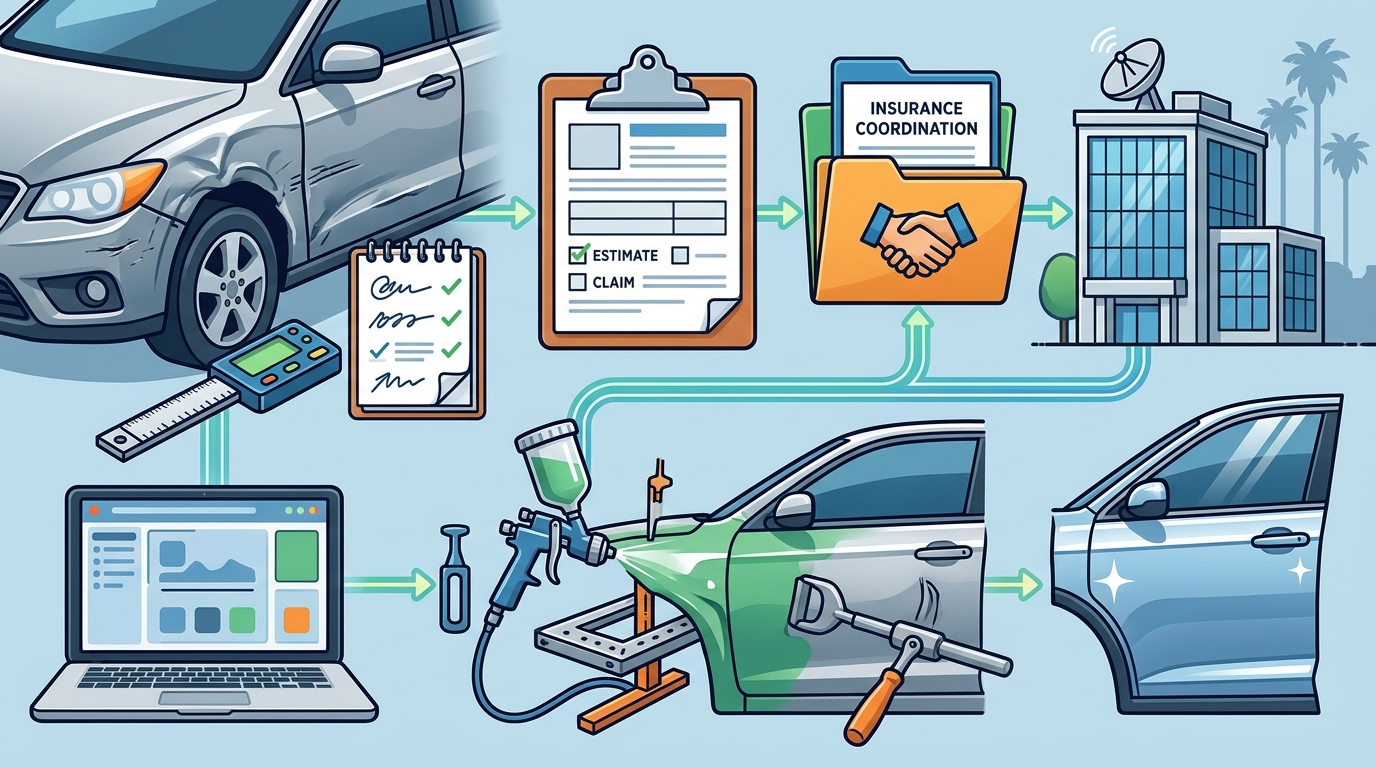
The process begins the moment the vehicle arrives at the shop. A collision repair shop is a facility that performs structural and cosmetic repairs on vehicles after an accident. Technicians perform a thorough physical inspection to identify all visible and hidden damage. This step is critical because insurance companies often rely on the shop's detailed findings to approve the necessary repairs.
At major collision repair centers, this assessment includes checking the frame, suspension, and safety systems. The shop documents every scratch, dent, and structural bend with photographs. This evidence forms the basis of the repair estimate. If the shop finds damage the insurer initially missed, they can add it to the claim, preventing the customer from paying out of pocket for necessary safety fixes.
Creating the Repair Estimate
Once the damage is mapped, the shop creates a detailed repair estimate. This document lists every part that needs replacement and the labor hours required for the work. It is not just a price tag; it is a technical blueprint for the repair. The estimate must align with industry standards to be accepted by the insurance adjuster.
Shops like Auto Worx use specific software to generate these estimates, ensuring that labor times match national averages for the specific vehicle make and model. For example, replacing a front bumper cover on a modern SUV might require a specific number of hours for disassembly, repair, and reassembly. The shop submits this estimate to the insurance company. The adjuster then reviews it, often negotiating the labor rates or part costs. The goal is to reach an approved amount that covers the full scope of the work.
Sourcing Parts and Managing Inventory
After the estimate is approved, the shop orders the necessary parts. This stage involves deciding between Original Equipment Manufacturer (OEM) parts and aftermarket alternatives. OEM parts are the exact components made by the vehicle manufacturer, while aftermarket parts are made by third-party suppliers. The choice depends on the insurance policy and the customer's preference.
Many insurance policies require the use of aftermarket parts to keep premiums lower, unless the vehicle is new or luxury. The shop must communicate this clearly to the customer. If the customer wants OEM parts, they may need to pay the difference. The shop tracks the arrival of these parts, which can take days or weeks depending on availability. Efficient shops keep a buffer of common parts in stock to minimize delays.
Executing the Repairs
With parts in hand, the technicians begin the physical repair work. This phase involves straightening frames, replacing panels, and refinishing the paint. The shop must follow the manufacturer's repair guidelines to ensure the vehicle's safety and structural integrity. For instance, a fender repair requires precise alignment to ensure the door closes correctly and the wheel well is protected.
During this stage, the shop may discover additional damage that was not visible during the initial inspection. This is known as "supplemental damage." The shop must immediately notify the insurance company and provide new photos and estimates for the additional work. The insurer will review this supplement and approve it if it is deemed necessary. This back-and-forth communication is a standard part of the claim process.
Final Inspection and Release
Once the repairs are complete, the shop performs a final quality control inspection. Technicians check the paint match, panel gaps, and the functionality of all lights and sensors. The vehicle is then washed and detailed. The shop notifies the insurance company that the vehicle is ready for release. The insurer may send an adjuster to inspect the work before approving the final payment.
After the insurer signs off, the customer is notified to pick up the vehicle. The shop provides a final invoice showing the total cost, the insurance payment, and any deductible the customer must pay. The shop also provides a warranty on the repair work. This final step closes the loop, ensuring the customer is satisfied and the claim is settled.
Key Takeaways
- Collision repair shops act as the technical experts who document damage and create estimates for insurance approval.
- The estimate process involves negotiation between the shop and the insurance adjuster to determine the final approved amount.
- Part sourcing depends on the insurance policy, with choices between OEM and aftermarket components affecting cost and quality.
- Supplemental damage discovered during repair requires immediate communication with the insurer to avoid out-of-pocket costs.
- Final inspection ensures the vehicle meets safety standards before the insurer releases the vehicle to the customer.
- Shops like Auto Worx manage the entire communication chain, reducing stress for the vehicle owner.
Frequently Asked Questions
How long does the insurance claim process take?
The timeline varies based on the severity of the damage and parts availability. Minor repairs may take a few days, while major structural repairs can take several weeks. The shop can provide a more accurate estimate after the initial inspection.
Do I have to pay the deductible upfront?
Most shops require the deductible to be paid at the time of vehicle release, not upfront. However, policies vary by shop and insurer. It is best to confirm this with the specific repair facility before starting the work.
Can I choose which shop repairs my car?
In most cases, yes. You are generally free to choose any licensed and reputable collision repair shop. The insurance company will work with the shop you select to approve the estimate and process the payment.
What is the difference between OEM and aftermarket parts?
OEM parts are made by the vehicle manufacturer and are identical to the original components. Aftermarket parts are made by other companies and may vary in quality and fit. The choice often depends on your insurance policy and personal preference.
What happens if the shop finds more damage than expected?
The shop will submit a supplemental estimate to the insurance company. The insurer will review the new findings and approve the additional repairs if they are necessary. You should not have to pay for this additional damage if it is covered by your policy.
Does the shop handle the paperwork for me?
Yes, reputable shops handle the majority of the paperwork, including submitting estimates and communicating with the adjuster. They may ask you to sign a few authorization forms, but they manage the bulk of the administrative work.
Conclusion
Understanding how collision repair shops handle insurance claims empowers you to make informed decisions about your vehicle's repair. The process is structured to ensure safety, accuracy, and fair compensation. By choosing a trusted partner, you can navigate the complexities of insurance with confidence. Contact Auto Worx Collision Center today to schedule an appointment and experience a stress-free repair process in West Los Angeles.